Mrs Wolf Love Onlyfans Most Recent Content Files #903
Go Premium For Free mrs wolf love onlyfans hand-selected live feed. Free from subscriptions on our content hub. Be enthralled by in a broad range of themed playlists presented in superb video, a must-have for premium viewing enthusiasts. With the freshest picks, you’ll always be ahead of the curve. Browse mrs wolf love onlyfans arranged streaming in impressive definition for a truly engrossing experience. Hop on board our creator circle today to witness exclusive premium content with zero payment required, subscription not necessary. Enjoy regular updates and explore a world of distinctive producer content tailored for first-class media enthusiasts. Make sure you see unique videos—swiftly save now! Indulge in the finest mrs wolf love onlyfans exclusive user-generated videos with vibrant detail and curated lists.
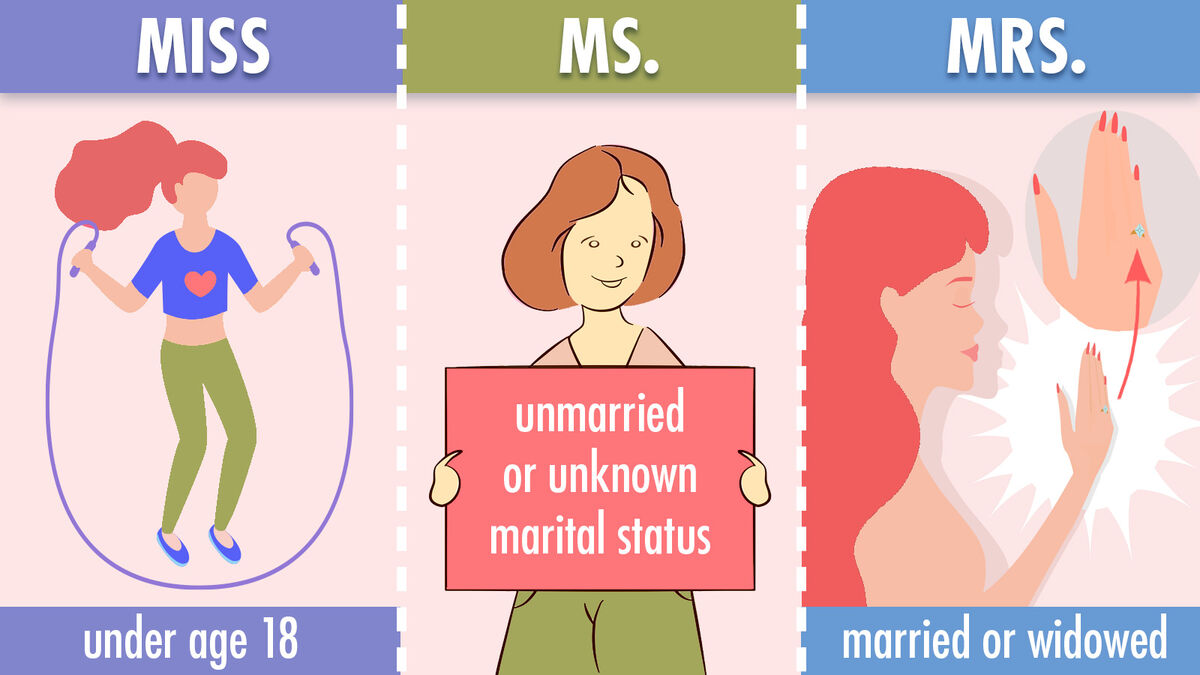
Generally speaking, it is considered proper etiquette to use mrs These feminine honorifics are all contractions of the word mistress. To refer to married women, miss to refer to unmarried women and young girls, and ms
Mr. & Mrs. Smith Season 1 Soundtrack Guide: Every Song & When They Play
To refer to a woman of unknown marital status or when marital status is irrelevant. As a consequence, writers are often unsure whether to use ms., miss, or mrs. when addressing a woman in an email or a letter Originated as a contraction of the honorific mistress (the feminine of mister or master) which was originally applied to both married and unmarried women in the upper class
Writers who used mrs for unmarried women include daniel defoe, samuel richardson, henry fielding, and samuel johnson.
Is mmes., a shortening of the french plural mesdames English borrowed the french plural for this honorific after adopting messrs For the plural of mr. Is a title used for a married woman
The more neutral title ms Can be used instead for a woman whose marital status is unknown or irrelevant or who expresses a preference for this mode of address. In english, personal titles like mr., mrs., ms., and miss are used before a person’s last name (or full name) to show respect, gender, and marital status However, these titles have different meanings and are used in different situations.

Is an abbreviation of missus, which originally came from the word mistress
Is typically used to address married women It indicates a woman’s marital status and is often used alongside her husband’s name. Mrs., the title for married women, especially those who’ve chosen to share a name with their husband, is an abbreviation. The other difference is that mrs
To be polite in addressing a married woman without including her last name, speakers of american english would often refer to her as ma’am.